
SUMMER/WINTER IMMERSION WORKSHOP – CURATED TRAVEL STUDIO IN RESORT PLANNING
This 15-day travelling workshop aims to immerse architecture students in the diverse challenges and opportunities of resort planning across various Indian terrains and cultural contexts. The focus will be on understanding site analysis, vernacular architecture, sustainable design practices, and the integration of cultural elements into resort development.
Workshop Objective:To provide hands-on exposure to resort planning principles in diverse climatological and geographical settings, focusing on design strategies, material selection, cultural integration, and sustainable practices.
Target Audience:Architecture students (preferably 3rd year and above).
Duration:15 Days (14 nights)
Mode of Travel:By Road (Mini-bus or similar)
Target Audience:Architecture students (preferably 3rd year and above).
Itinerary Overview:
- Days 1-: Bangalore - In Campus -Initial briefing + Stay at Urban/Eco Resort (Introduction to Context)
- Days 2-3: Mysore - Heritage/Cultural Resort
- Days 4-5: Ooty/Coonoor - Hill Resort
- Days 6-7: Coimbatore/Pollachi - Agro/Wellness Resort
- Days 8-9: Madurai - Religious/Pilgrimage Resort
- Days 10: Mahabalipuram - Coastal/Historical Resort
- Days 11-13: Pondicherry - French Colonial/Beach Resort
- Day 14 – Return trip to Bangalore – overnight stay
- Day -15 -Bangalore – in campus -Design Jury & Concluding event
1. Bangalore - Urban/Eco Resort & Departure
Focus:AIntroduction to resort planning concepts, sustainable practices, and understanding the nuances of urban eco-resorts.
Architectural Interest Stopover:
- Vidhana Soudha: A prime example of Neo-Dravidian architecture.
- Bangalore Palace: A blend of Tudor and Scottish Gothic architecture.
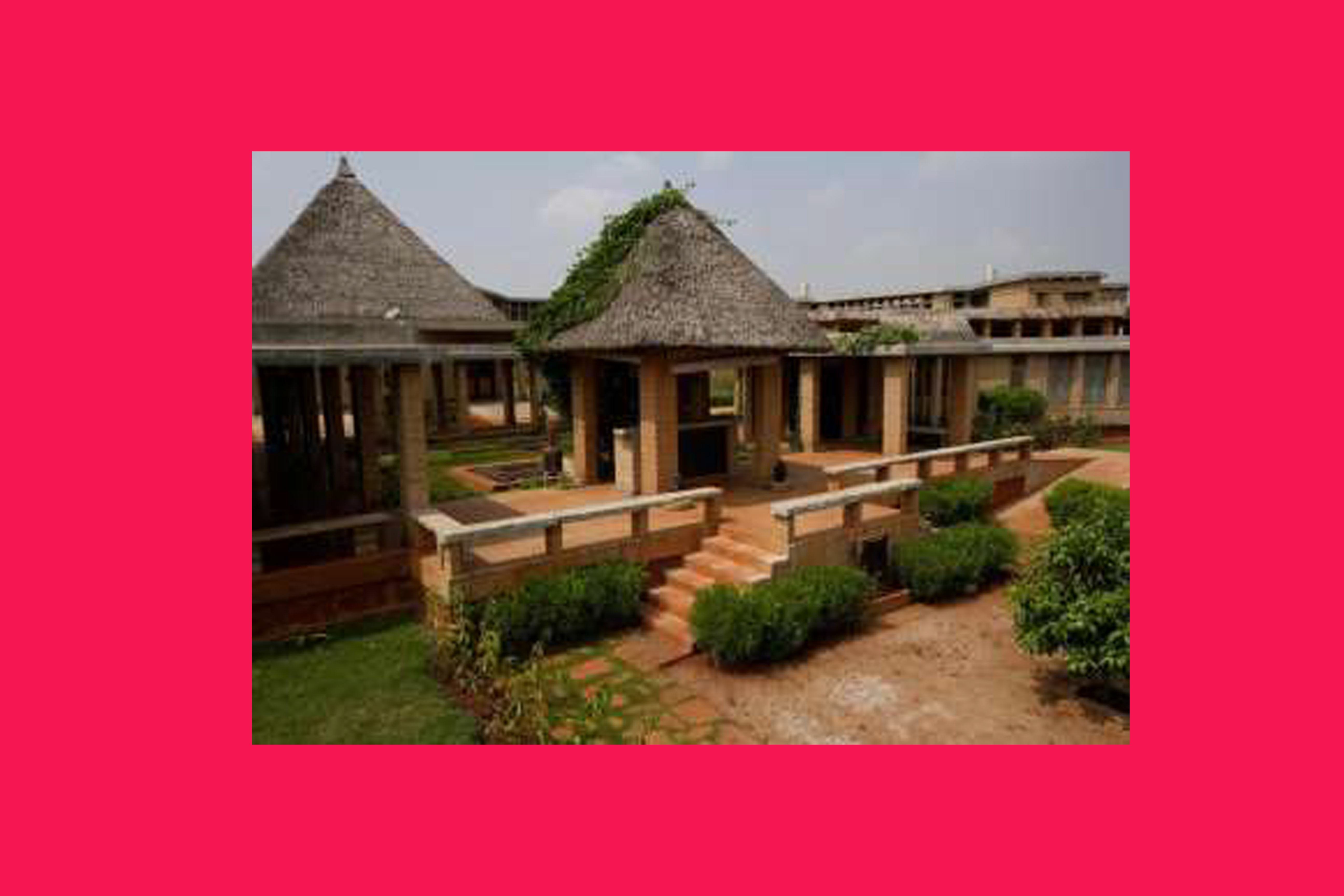
- Our Native Village (Eco Resort): A resort close to Bangalore that focuses on sustainable practices, traditional architecture, and a village experience.
Workshop Activities:
- Lecture/Discussion: Introduction to resort typology and design considerations.
- Site visit and analysis of an urban eco-resort (e.g., Our Native Village) to understand sustainable design, materials, and integration with nature.
- Sketching and photographic documentation.
Accommodation:Our Native Village - Eco Resort, Bangalore) - Focuses on eco-friendly practices and traditional village living, offering a good initial case study for sustainable resort design.
2. Mysore - Heritage/Cultural Resort
Travel:Bangalore to Mysore (approx. 3-4 hours)
Focus:Understanding the integration of heritage, culture, and traditional crafts into resort design.
Architectural Interest Stopover:
- Mysore Palace: A magnificent example of Indo-Saracenic architecture.
- Chamundi Hills (Chamundeshwari Temple): A sacred site with Dravidian architecture and panoramic views.
- Somanathpur Chennakesava Temple:A stunning Hoysala-era temple known for its intricate carvings.
Workshop Activities:
- Site visit and analysis of a resort that integrates with Mysore's cultural heritage.
- Documentation of architectural details, materials, and traditional motifs.
- Discussion on how to create a "sense of place" in a heritage resort.
Accommodation Suggestion: Manvith's Heritage River Resort(Puttayyanakoppalu, Karnataka) - Offers a blend of traditional aesthetics and a riverside setting, providing an interesting context for heritage resort planning.
-
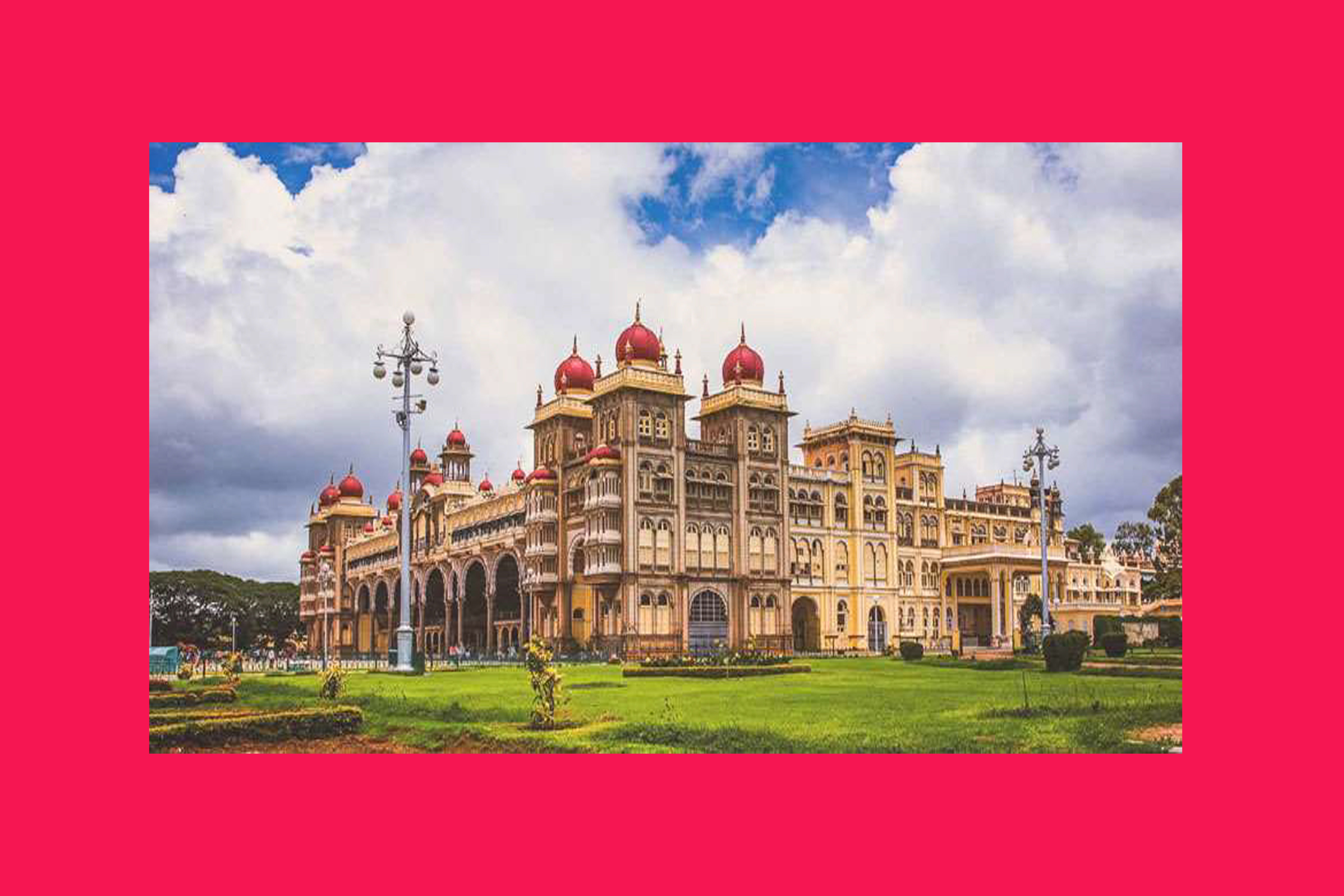
Mysore Palace
-
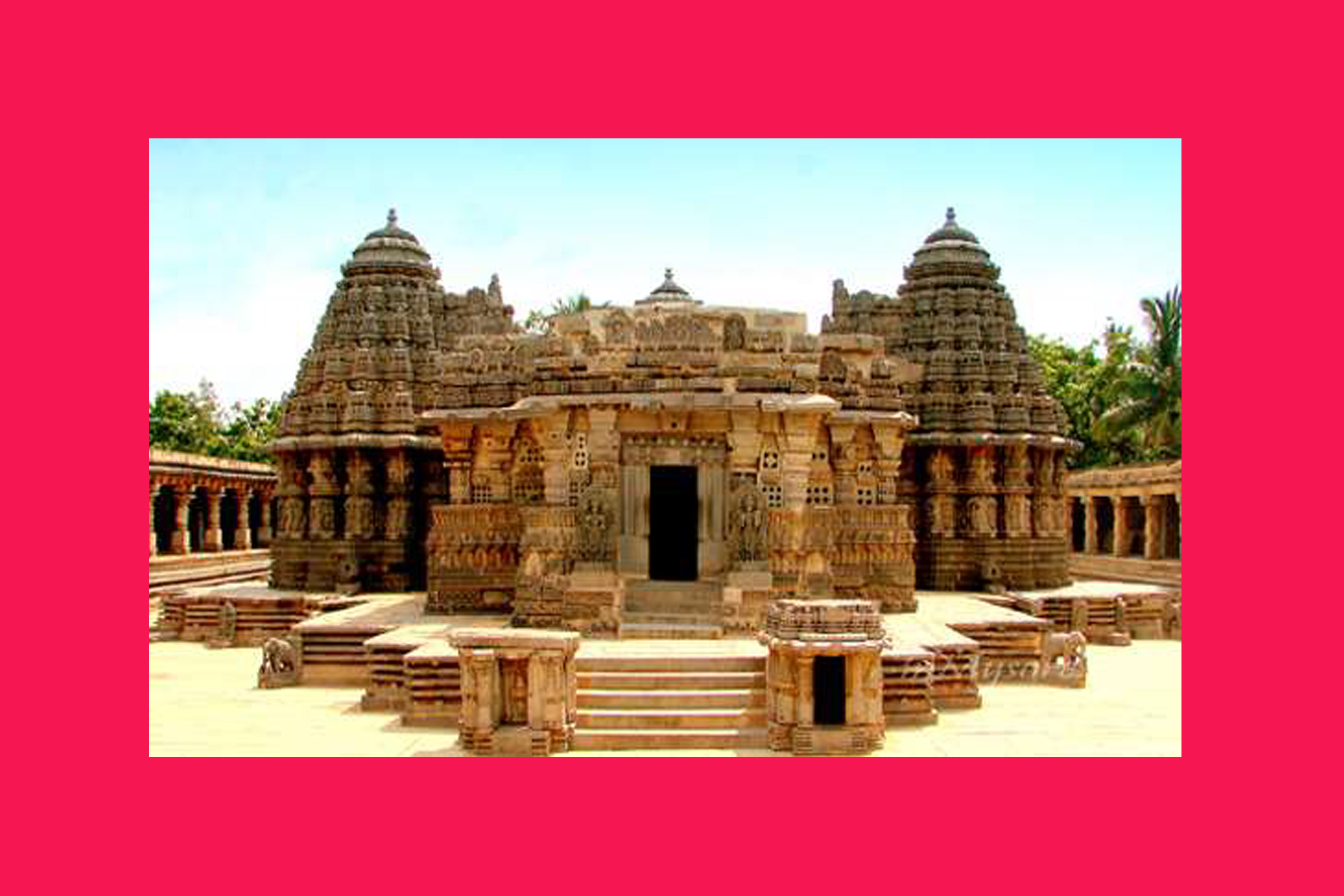
Somanathpur Chennakesava Temple
3. Ooty/Coonoor - Hill Resort
Travel:Mysore to Ooty/Coonoor (approx. 4-5 hours)
Focus:Designing for challenging mountainous terrain, climate responsiveness, and minimizing environmental impact.
Architectural Interest Stopover:
- Colonial Architecture in Ooty: Explore the British-era bungalows and structures.
- Nilgiri Mountain Railway: A UNESCO World Heritage Site, showcasing impressive engineering in a mountainous landscape. panoramic views.
- Tea Plantations:Understanding the built environment within agricultural landscapes.
Workshop Activities:
- Site visit to a hill resort, analyzing its response to topography, climate (cold, rain), and views.
- Study of local building materials (stone, timber) and construction techniques.
- Discussion on sustainable practices in hill regions (e.g., rainwater harvesting, erosion control).
Accommodation Suggestion:Look for boutique resorts or homestays in Ooty/Coonoor that emphasize local architecture and a connection to the natural environment. While specific names are hard to suggest without knowing group size and budget, prioritize places with good views and a traditional feel. Examples to research might include Sterling Ooty Fern Hill or smaller, eco-friendly stays.
-
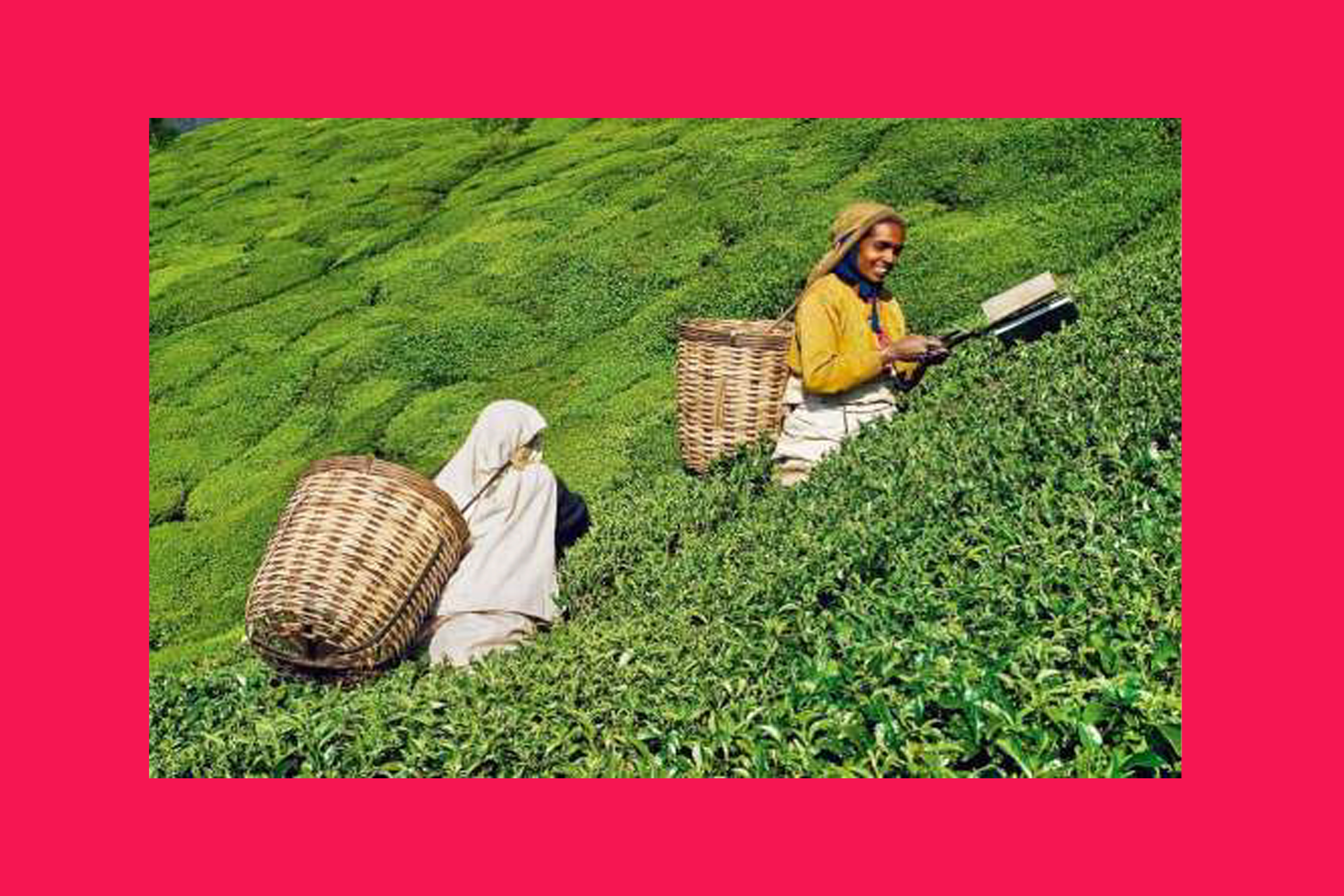
Tea Plantations:
-
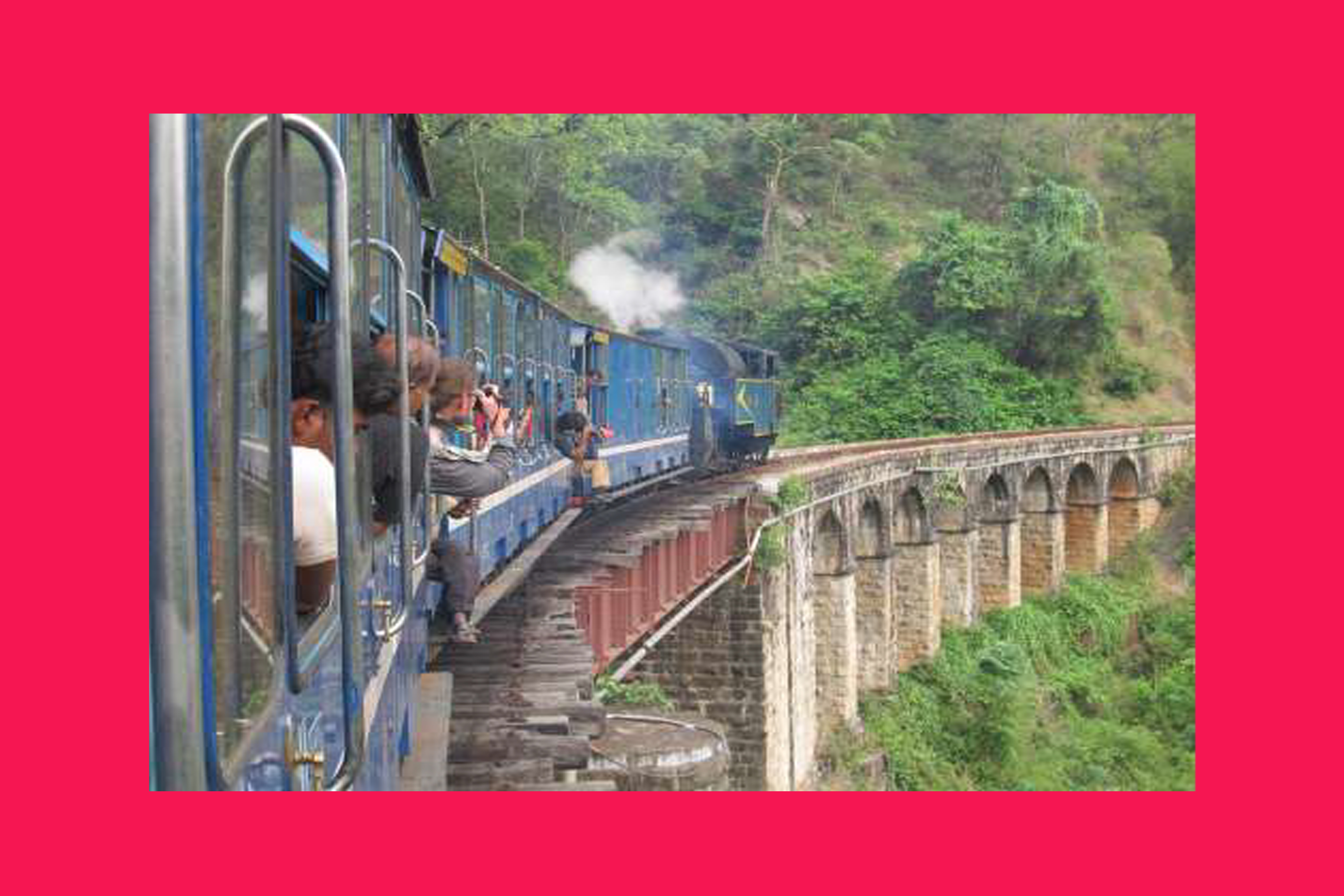
Nilgiri Mountain Railway
4. Coimbatore/Pollachi - Agro/Wellness Resort
Travel:Ooty/Coonoor to Coimbatore/Pollachi (approx. 3-4 hours)
Focus:Integrating agriculture, wellness, and local community into resort design. Understanding vernacular architecture in a rural context.
Architectural Interest Stopover:
- Traditional Houses in Pollachi: Observe the local building styles and materials.
- Rural Landscapes: Study the relationship between built forms and agricultural land.
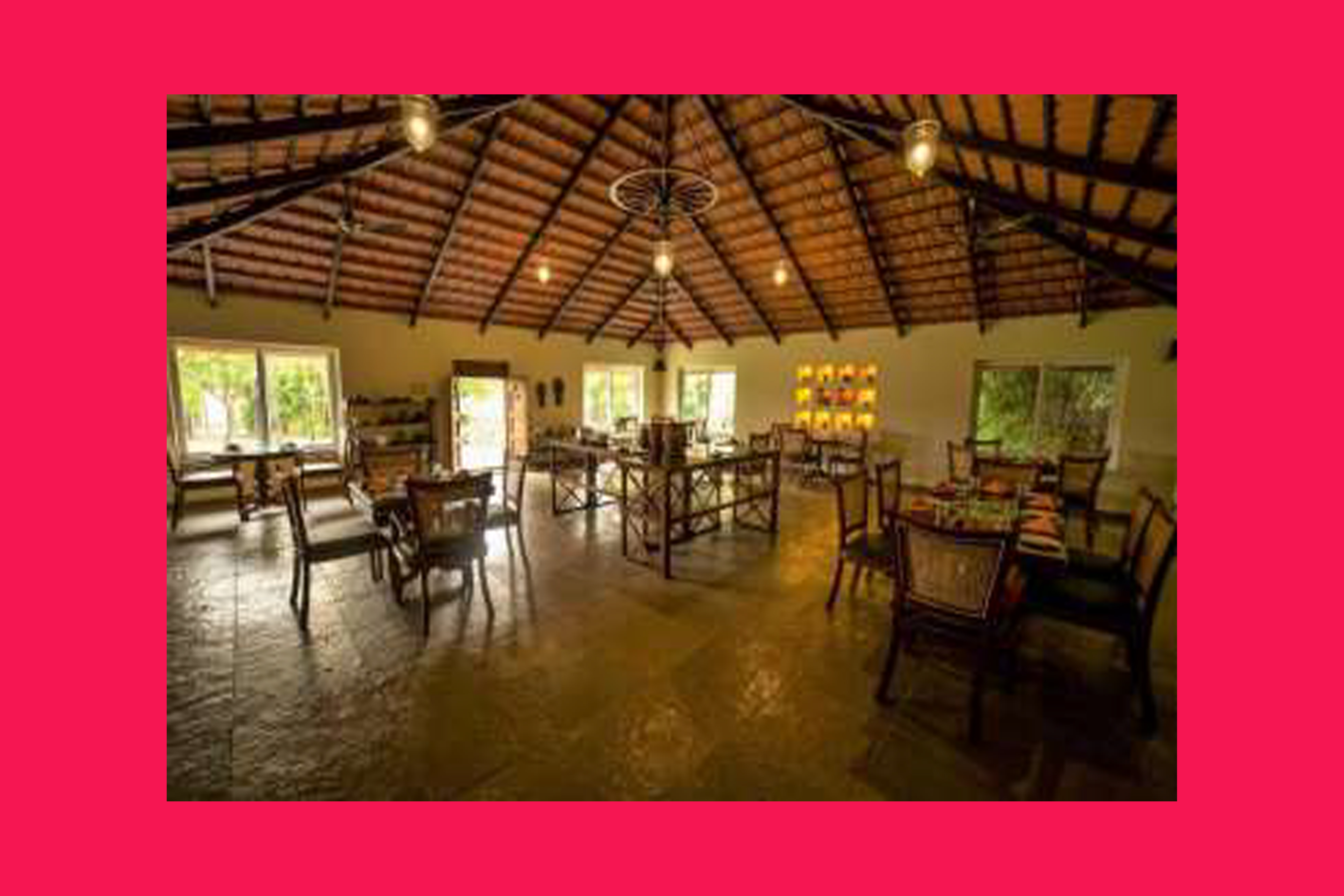
- Dvara Siruvani:(Near Coimbatore) A resort known for its focus on wellness and integration with nature.
Workshop Activities:
- Visit an agro-tourism or wellness resort, analyzing its layout, connection to the land, and use of natural materials.
- Discussions on permaculture, farm-to-table concepts, and creating therapeutic environments.
Accommodation :Dvara Siruvani (Karunya, Coimbatore) or SR Jungle Resort (Anaikatti, Coimbatore) - These resorts focus on natural settings and wellness, offering good case studies for integrating nature and health into resort design.
5. Madurai - Religious/Pilgrimage Resort
Travel:Coimbatore/Pollachi to Madurai (approx. 4-5 hours)
Focus:Designing accommodation and facilities for pilgrims, understanding the architectural language of religious complexes, and managing high footfall.
Architectural Interest Stopover:
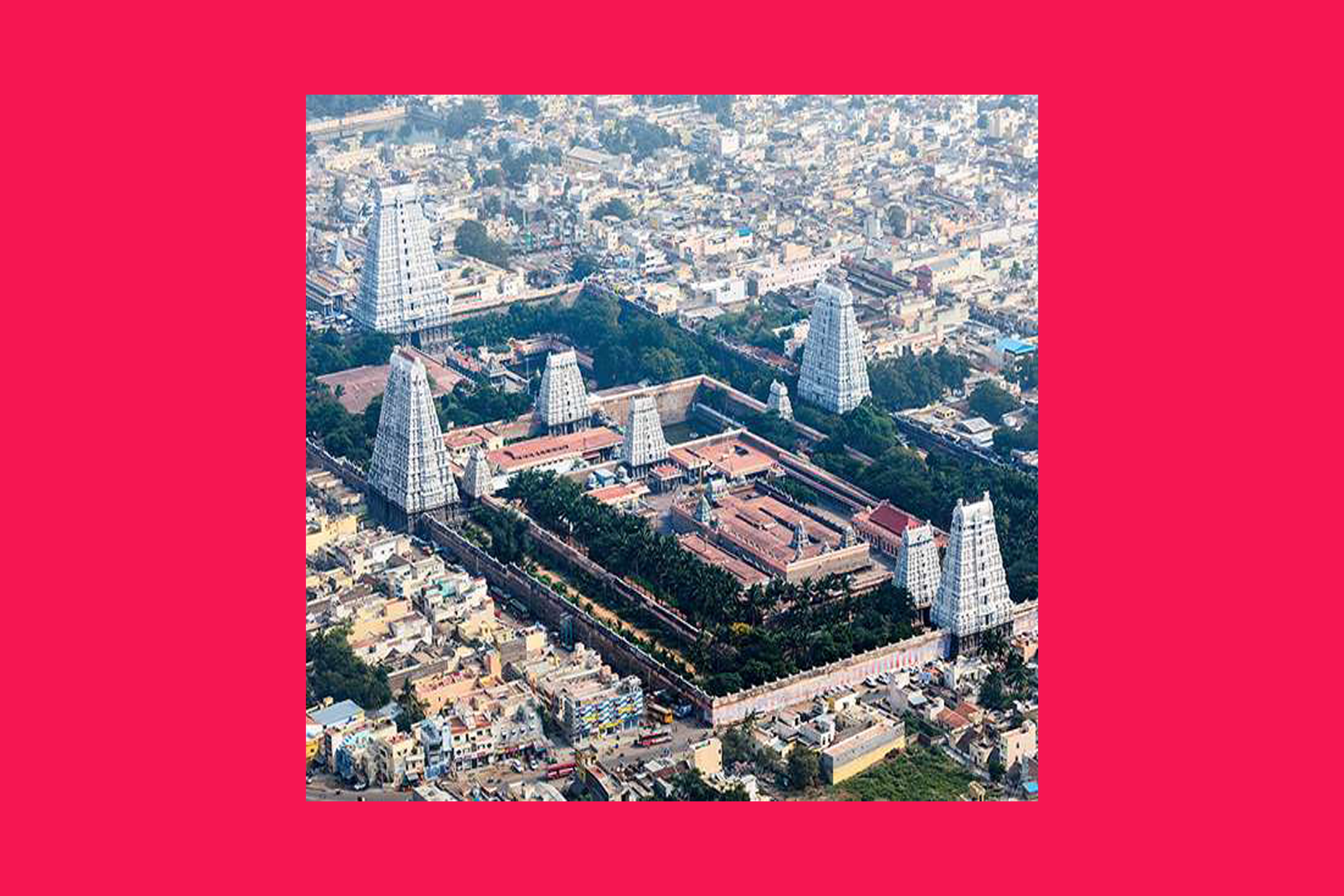
- Meenakshi Amman Temple: A monumental example of Dravidian temple architecture, essential for understanding scale, carving, and planning.
- Thirumalai Nayakkar Mahal: A 17th-century palace showcasing Indo-Saracenic and Dravidian styles.
- Gandhi Memorial Museum:Housed in the old palace of Rani Mangammal, offering insights into regional history and adaptive reuse.
Workshop Activities:
- Study the spatial organization of pilgrim accommodation and facilities around a major religious site.
- Analysis of the architectural elements that evoke spirituality and cultural identity.
- Discussion on balancing commercial viability with spiritual sanctity in resort planning.
Accommodation Suggestion:Hotels or guesthouses near the Meenakshi Temple that cater to pilgrims, or consider a hotel with a rooftop view of the gopurams. The Gateway Hotel Pasumalai, Madurai offers a historic and elevated perspective, albeit further from the temple. For a more central, budgetfriendly option, look for guesthouses in the temple vicinity.
6. Mahabalipuram - Coastal/Historical Resort
Travel:Madurai to Mahabalipuram (approx. 6-7 hours)
Focus:Designing in a coastal environment, incorporating historical context, and understanding rock-cut architecture.
Architectural Interest Stopover:
- Group of Monuments at Mahabalipuram (UNESCO World Heritage Site): Shore Temple, Pancha Rathas, Descent of the Ganges, Krishna's Butterball – all crucial for understanding Pallava architecture and ancient coastal settlements.
- Lighthouse:Modern intervention in a historical setting.
Workshop Activities:
- On-site sketching and analysis of the rock-cut architecture and its relationship to the sea.
- Discussion on design challenges and opportunities in coastal zones (e.g., erosion, saline environment, views).
- Case study of how modern resorts in Mahabalipuram interact with the historical landscape.
Accommodation Grande Bay Resort And Spa or Marutham Village Resort(if looking for a slightly more rustic experience) - Both offer proximity to the historical sites and a coastal setting.
-
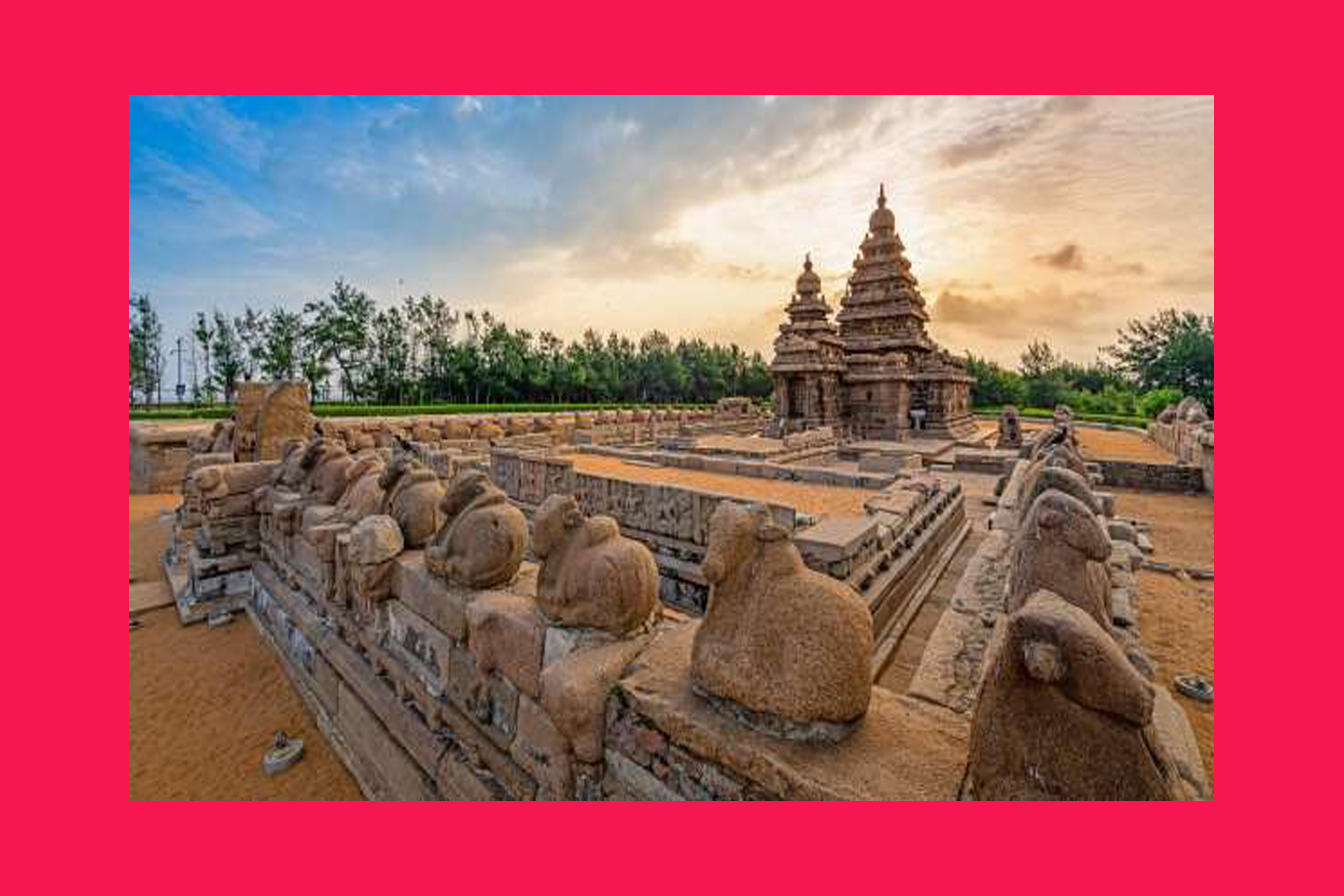
Group of Monuments at Mahabalipura
-
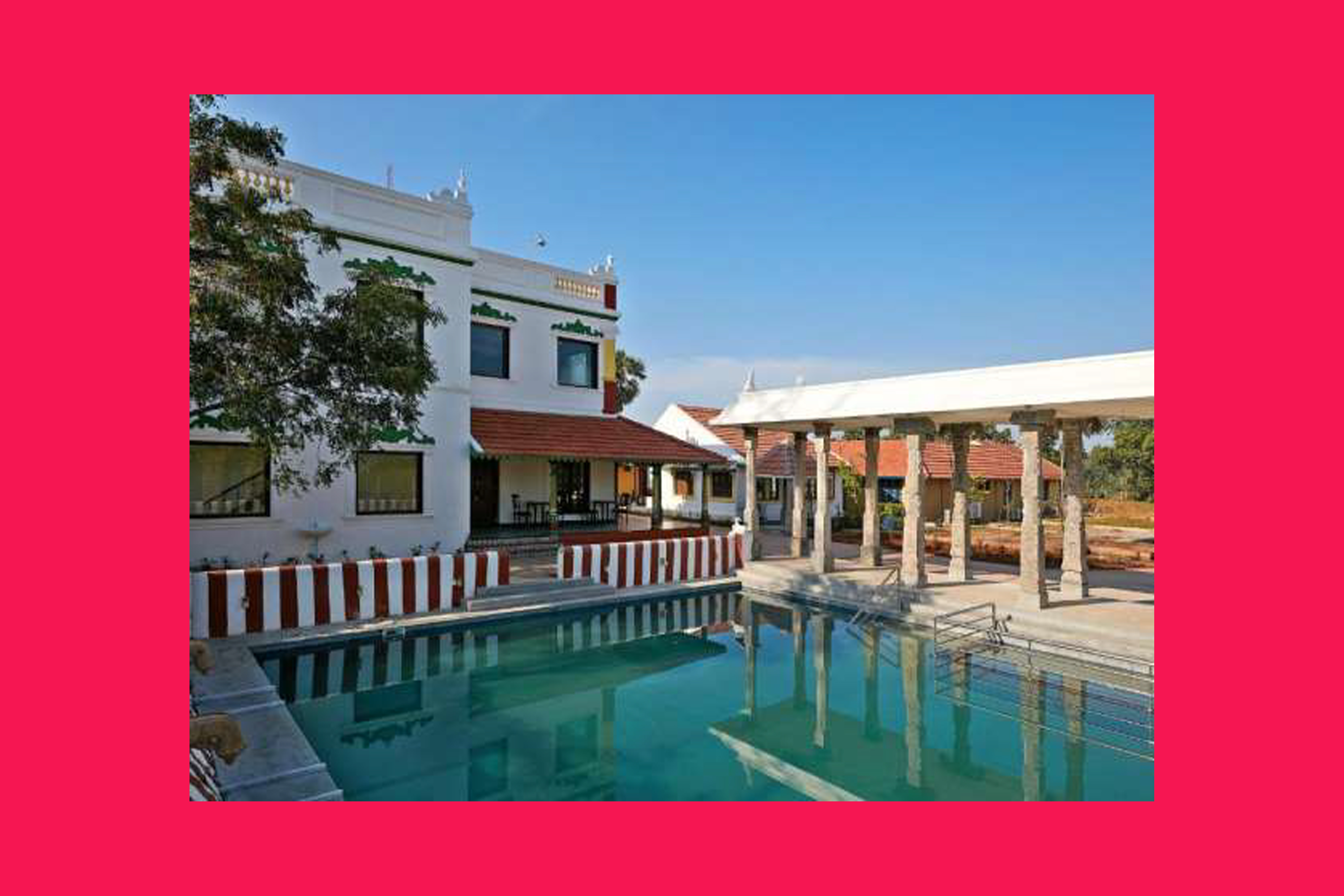
Lighthouse
7. Pondicherry - French Colonial/Beach Resort & Conclusiont
Travel:Mahabalipuram to Pondicherry (approx. 1.5-2 hours)
Focus:Blending colonial heritage with contemporary design, urban resort planning, and beach resort specifics. Final synthesis of workshop learnings.
Architectural Interest Stopover:
- White Town (French Quarter): Explore the unique urban fabric, pastel-colored colonial buildings, and French architectural details.
- Auroville (Matrimandir and experimental architecture): A living experiment in sustainable living and unconventional architectural forms.
- Promenade Beach:Understanding the urban-coastal interface.
Workshop Activities:
- Walking tour of White Town, documenting architectural styles and urban planning.
- Visit to Auroville to understand alternative building techniques and sustainable communities.
- Final design exercise/presentation: Students present their conceptual resort plans for a chosen site, integrating learnings from the workshop.
- Review and feedback session.
Accommodation: Pondicherry Beach Resort or Prince Park Farm House(if looking for a blend of nature and proximity to Auroville).
-
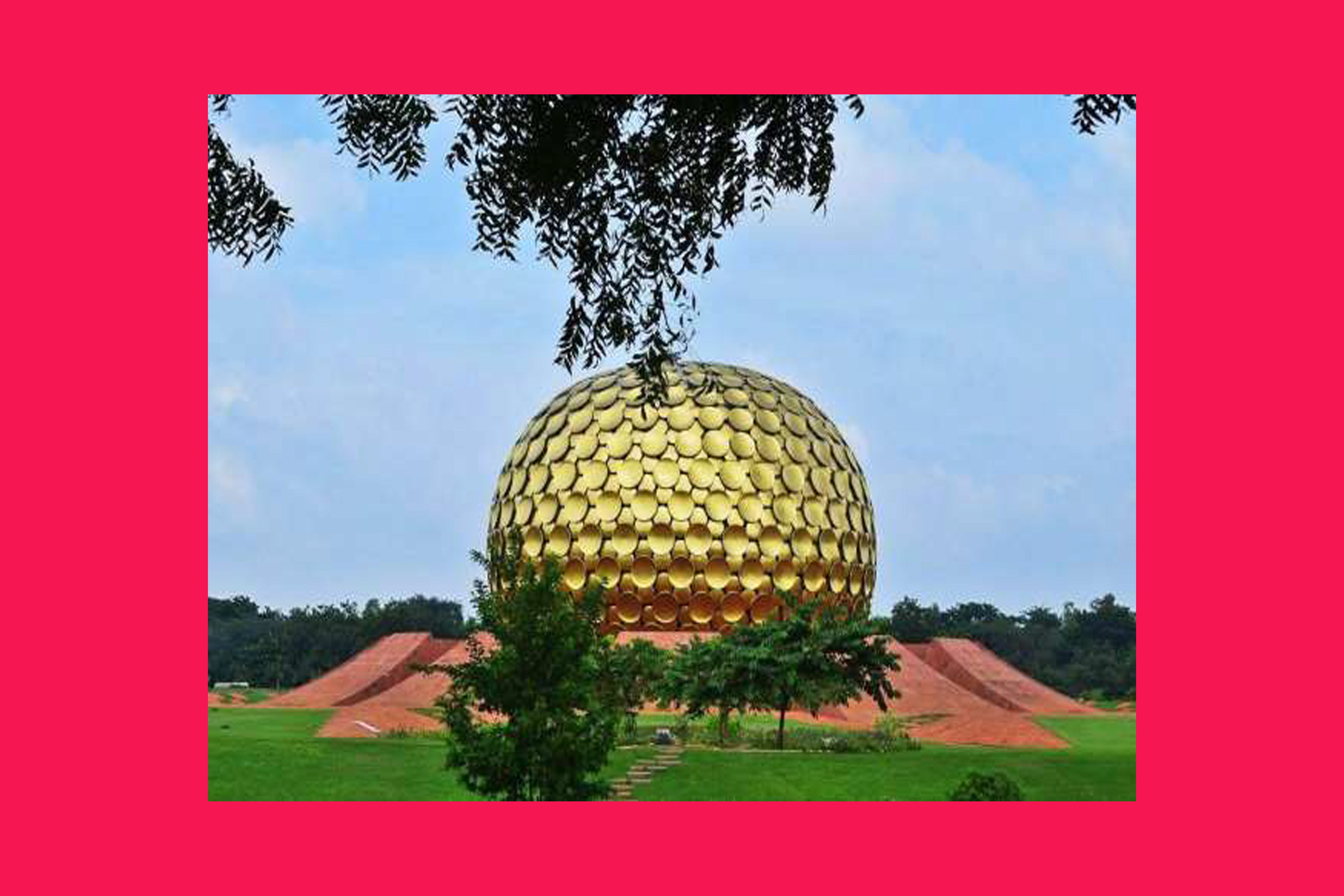
Auroville
-
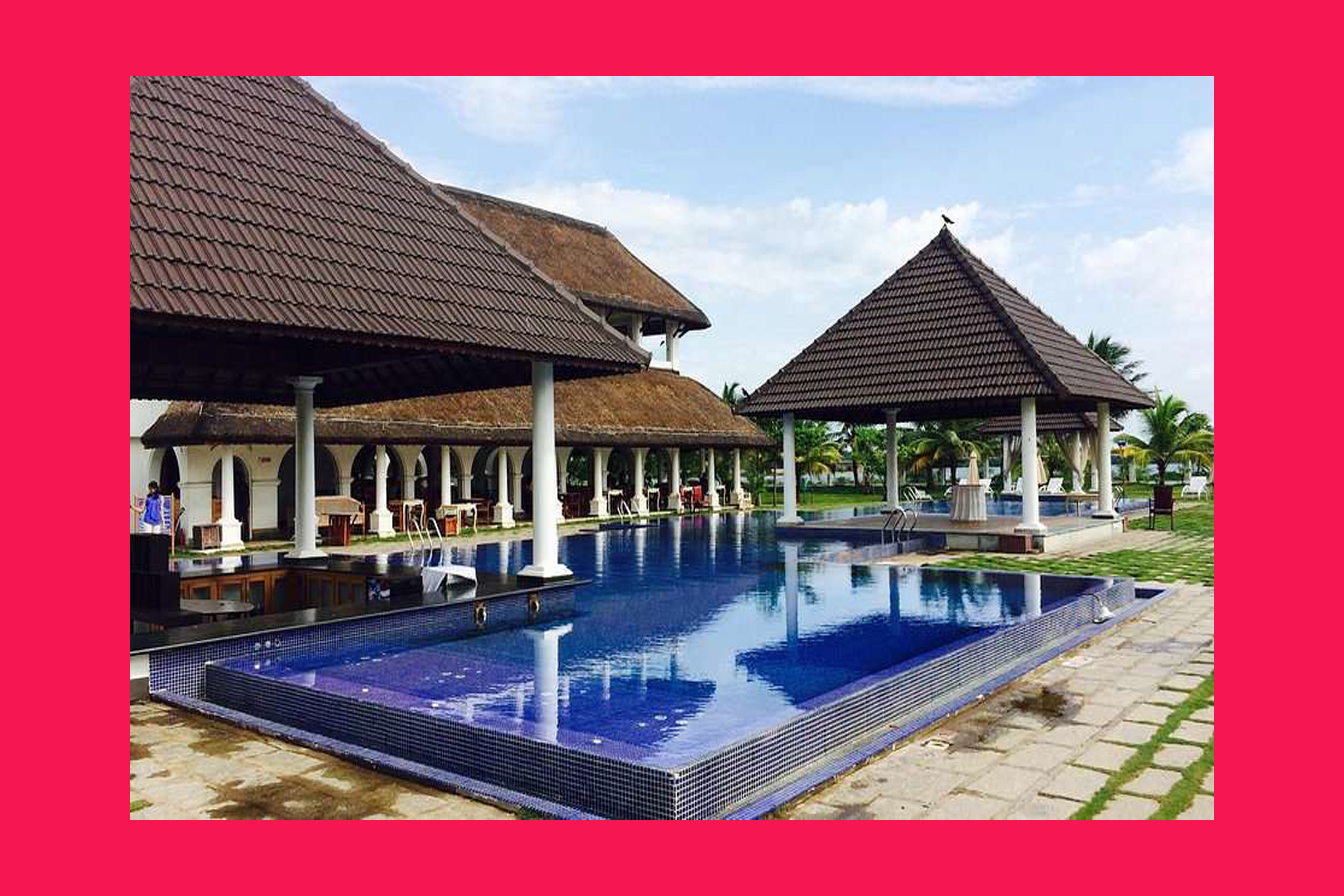
Le Pondy Beach Resort
-
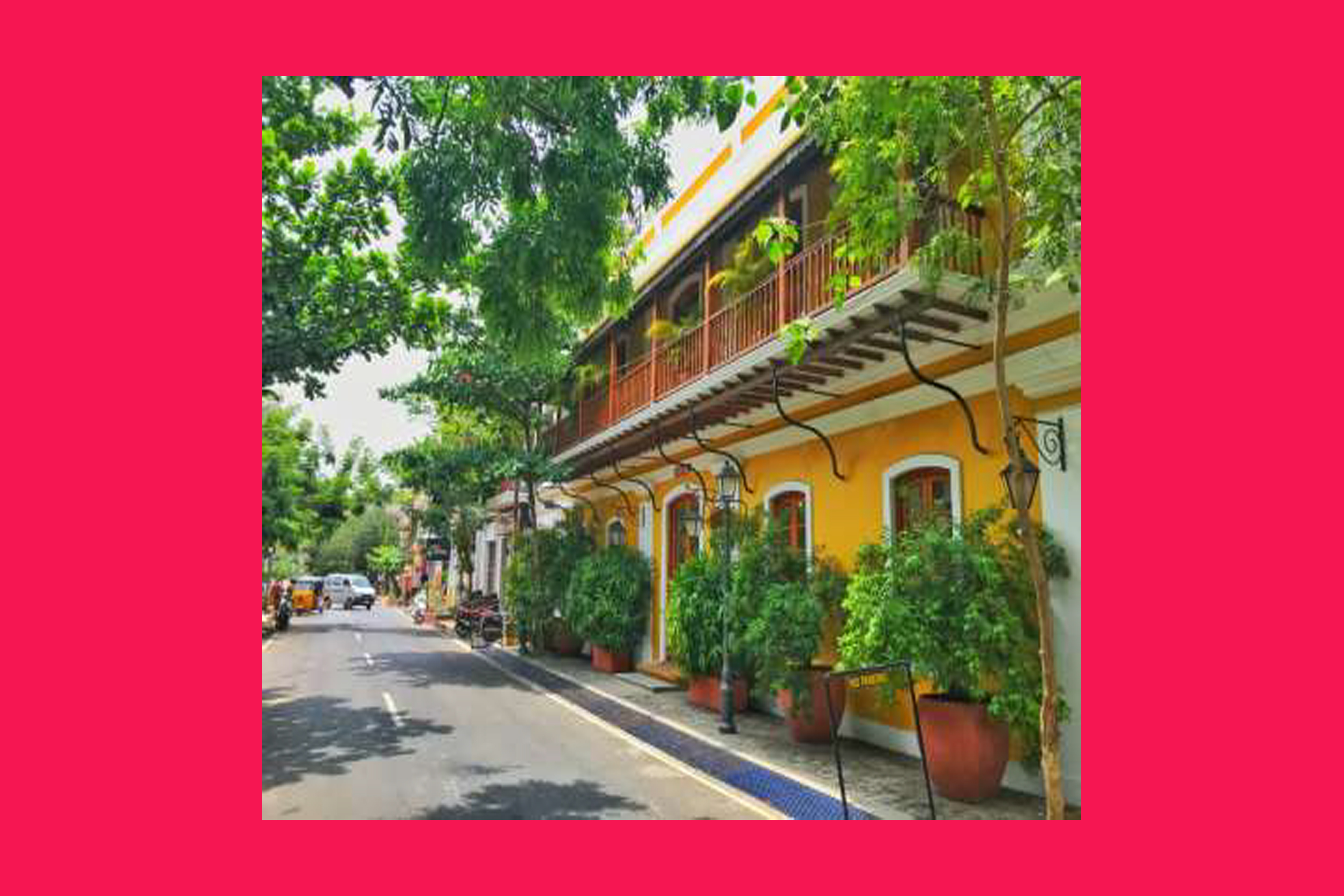
White Town
8. Return trip to Bangalore – 7 hours – Relaxaxtion & Shopping
9. In Campus – Final Design Jury & Concluding session .
Workshop Components & Activities (General for each stop):
- Site Analysis: Students will conduct on-site analysis, focusing on topography, climate (sun path, wind direction, rainfall), local vegetation, existing infrastructure, and cultural context.
- Documentation: Sketching, photography, and note-taking of architectural styles, materials, construction techniques, and resort planning elements.
- Lectures/Discussions:Briefing sessions on the specifics of resort planning in each climatological/geographical context. Case studies relevant to the region.
- Design Challenges/Exercises: Short, focused design tasks related to the visited resorts or hypothetical sites (e.g., redesigning a specific area, proposing a new intervention).
- Interactions: Wherever possible, interactions with local architects, resort managers, or artisans to gain insights into regional practices and challenges.
- Cultural Immersion: Students are encouraged to experience local cuisine, traditions, and daily life to inform their understanding of the cultural context.
- Sustainability Focus: Emphasize the importance of sustainable building materials, energy efficiency, water conservation, and waste management in all resort types.
Logistics & Preparation:
- Vehicle:A comfortable AC bus with sufficient space for students and their luggage, will be provided ensuring a smooth journey.
- Accommodation Booking: All accommodations will be booked in advance, ensuring suitability for a student group (clean, safe, budget-friendly where possible, with common areas for discussions).
- Faculty/Facilitators:A minimum of two faculty members / experienced architects will lead the workshop, guide discussions, and provide feedback.
- Inclusions :Costs for transport, accommodation – bed & breakfast, entry fees for monuments, and workshop resource persons, will be borne by organisers.
- Exclusions: Any medical expenses, tips, lunch & dinner, alcoholic beverages,
This itinerary offers a rich architectural journey through South India, providing practical exposure to diverse resort planning challenges and opportunities.
For Registrations Contact
Prof.Vasanth K Bhat : +91-98867 54471
Asst.Prof. Sunil Kumar G : +91-99863 84118
Register by filling in the form below
Anyone with a background or interest in Tropical sustainable architecture of India is eligible. Undergrad in architecture and design and young architects and designers are welcome.
The cost of the entire Workshop is Euro 1,300 it includes:
- Tuition fee
- Weekly excursions
- Breakfast +Lunch + Evening Tea
- Visa Services
- Transportation
- Airport transfer
Excludes :
- To and fro international airfare
- Travel insurance
- Personal expenses of any nature
At the end of the program, students who satisfactorily complete all course requirements will be awarded Certificate of participation in the Architecture study program and the specific learning from the program.
- Since we are specialized in student program, Highest level of safety and security standards is maintained.
- All accommodation arrangements is carefully selected in terms of location and security.
- All groups are accompanied by eminent faculties of colleges.
- No long night journeys ( Except while connecting from local city to international airport.
- Night curfew is 11 pm.
- Safe bottled drinking water will be provided throughout the program.
- An Exclusive 23 seater A/C bus will be at hand for transporting the team throughout the duration of the Workshop,
- Health insurance will be provided and medical assistance is arranged at all places.
- Breakfast, Lunch & Dinner will be provided.
- Twin-bedrooms with 2in each room.
- Students are individually responsible for the safety of their passports, Credit card and Valuables.
- Light summer cloths-Beachwear
- Laptops with card & Multi-media software of your choice
- Sketch pads, butter sheets, writing & Drawing materials etc.
- All participants are expected to arrive at Bangalore the previous evening.
- Hotel transfer will be provided free of cost to participants arriving directly to Bangalore airport in a group of not less than 6 members.
- Hotel transfer at extra cost for individually arriving members.
- The first venue of our workshop is the famous Eco-resort "Our Native Village"
- Inaugural session and briefing will begin at 11.00 am. On the first day.
- For departure Airport transfer will be arranged on individual request as per flight convenience.
- On the last day of the workshop a seminar will be arranged in Bangalore where the participants will display their works and talk about their experiences and designs thus evolved.
- There will be an interactive session with eminent Architects of Bangalore and students of Architecture.
- Certificates will be awarded followed by a Gala DINNER
- Book your place by paying a Registration fee of Euro 50 by 20th. March 2018
- Early bird registrations by 10th April 2018 : Euro 1250/
- From 10th. April to 1st. May 2018 : Euro 1350/
- Paying inn account details will be informed individually to the selected candidates by e-mail.
The course duration is 15 days.
The students get involved in activities which would enable them to explore and learn more about the tropical living and architecture of South India –, the built environment and the landscape of South India from the plains to the coast
Subjects in this course are integrated with the Student Project (Architecture Studio): programming and designing a tropical holiday resort. The 4 subjects include Tropical Home, Interior Architecture, Indian Vernacular Architecture and Resorts Design & Development.
| Confirmed program dates | No of students |
|---|---|
| 13-May-2018 | 20 |
| 28-May-2018 | 20 |